
Data Scientists in Location Planning: Why Site Visits Matter
Data driven models guide location decisions, but real-world site visits reveal key details on accessibility, visibility, and footfall nuance. Data Scientist, Amy, explains why...

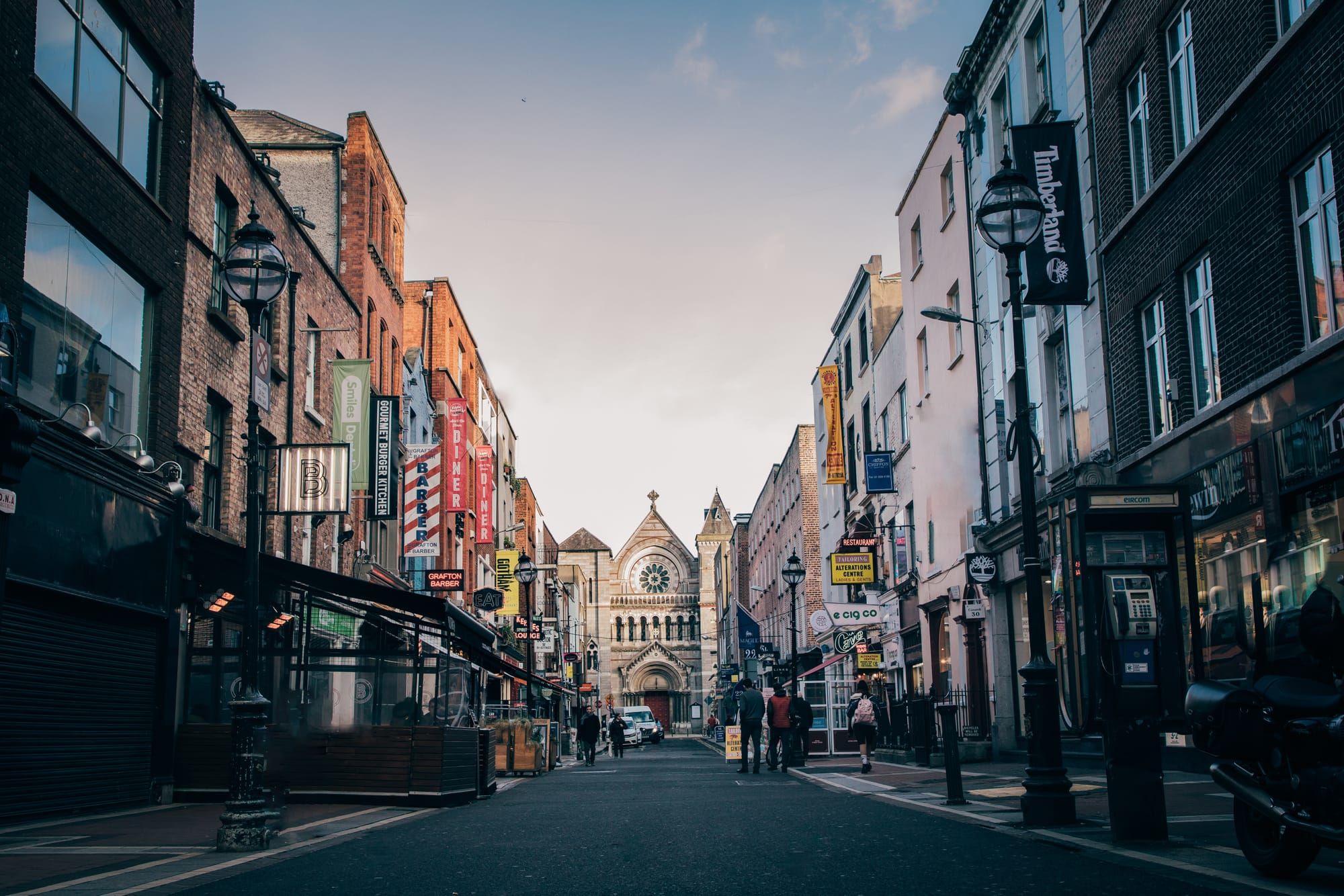
As data scientists, we spend a lot of time behind a screen. We analyse datasets, build forecasting models, and run opportunity scans and blueprints to help customers optimise their store networks, often answering important questions: Where should we open next? and how many stores should we open?
Our models bring together a wide range of global datasets, from demographics and mobile phone ping data to Retail Universe and Retail Places. By analysing these across different catchments, we can identify the key market factors that influence sales performance and use them to inform our location decisions.
But even the best models are not all knowing. They generate forecasts based on the data available to us and the assumptions we make when building them. There will always be factors about a location that are difficult to capture.
A site might look like a strong opportunity, with high footfall, high residential and transient demand, and strong retail activity nearby. But is this actually reflected when we visit the site?
This is where site visits can provide valuable context, highlighting the gaps between how we model a location and how that location actually exists in the real world.
There are many things we look for when we step outside the model, including:
| Factor | Questions |
|---|---|
| Accessibility | How easy is the store to access? Are there any physical barriers, difficult entrances or other factors that could make it harder for customers or delivery drivers to reach the store? Is parking available, convenient and appropriate for the type of visit? |
| Visibility | How visible is the store to passing pedestrian or vehicular traffic? Is there clear signage? Does anything obstruct the view of the store? Can customers see the store from different directions? |
| Retail Pitch / Proximity | Where is the store positioned within the wider retail environment? How close is the store in proximity to key competitors, retail places or other traffic generators? |
| Customer Behaviour | How are people actually using the area? How does activity vary by time of day / day of week? Are people shopping, commuting or passing through? Is the location a destination or a convenience-led visit? Does what we observe match what the mobility data suggests? |
| Operational Factors | How well is the store managed and staffed? Are promotions and marketing activity visible? Does the store have good customer satisfaction |
But what does this look like in the real world?
I recently had the opportunity to conduct site visits for a QSR brand in Portugal and Italy. By visiting these stores in person, we hoped to understand why our models might be over or under-forecasting certain locations.
Here are a few examples:
1: Validating Footfall Data
In Lisbon, we visited a shopping centre that our model identified as having high footfall, alongside strong residential demand. Based on the data, we expected it to be a strong retail destination. However, when we arrived, the mall was surprisingly quiet - even during peak times.
Looking more closely, we noticed multiple flats directly above the mall. This could have been contributing to the high footfall figures, with some of the activity potentially coming from residents entering and leaving the building rather than customers visiting the mall itself.
The data wasn’t necessarily wrong, but seeing the location first-hand helped us understand what was driving the high footfall.
2: Importance of Accessibility
We visited another store in Lisbon that performed strongly in our model, driven primarily by high mobility and strong retail activity. However, it wasn't immediately obvious where it was located or how to access it.
Turns out, the store was located in a food court beneath a concert hall. For a customer visiting for the first time, finding the store could be difficult. We also thought the location could present an even bigger challenge for delivery drivers who would need to navigate the building to reach the store.
These are the kinds of nuances that are difficult to capture. A location can have strong demand, but if customers or delivery drivers struggle to find or access the store, that can have a real impact on its performance.
3: Store Positioning within a Mall
In Milan, we visited a mall to try and understand why our model was over-forecasting this location. While the overall mall was popular and attractive, we noticed the store itself was slightly off pitch - tucked away from the main food court and key competitors.
This meant that the store wasn't benefiting from the busiest areas e.g. the food court, where all the other QSR brands were located, attracted much more customer activity and footfall.
This highlighted the importance of the exact unit within a mall, as not every store within it will benefit equally from the same level of customer activity.
Why Data Scientists Should Go on Site Visits
These examples highlight the importance of site visits. They not only provide a different perspective by identifying gaps and adding valuable context – they complement the models we build. Together, data and site visits give us a more complete picture and enable us to make better-informed location planning decisions.
Sometimes, stepping away from the screen is exactly what we need to make the model better :)
Author: Aimee Thomason, Data Scientist at Geolytix
Title Image: Photo by Gregory DALLEAU on Unsplash